As a true Varsovian, I was convinced I was just going to see another big city. After all, I lived in the capital, so I figured it would be hard to surprise me with anything. Oh, how naive I was.
A postcard-perfect Old Town
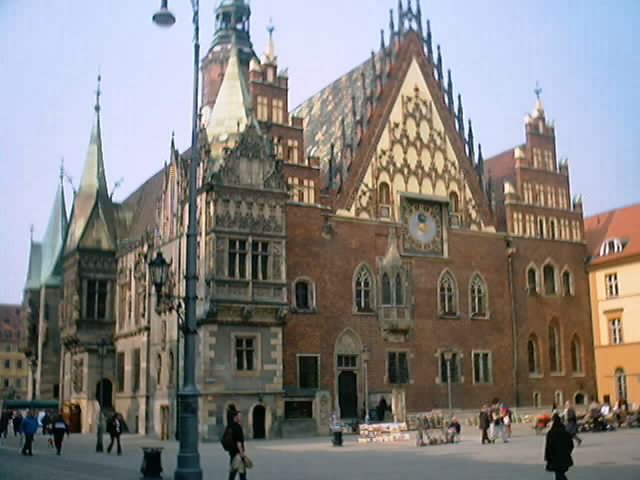
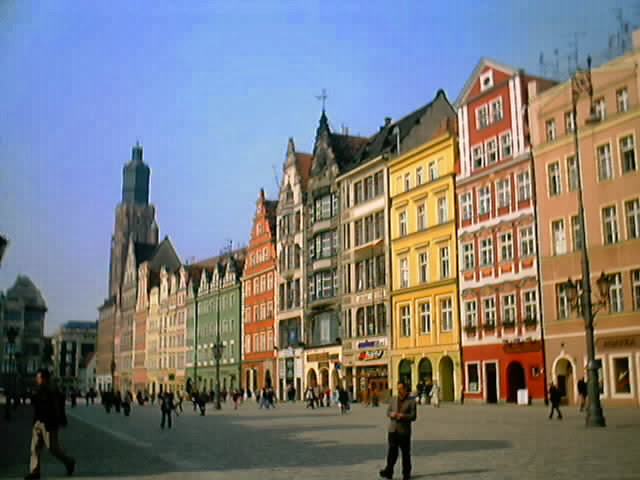
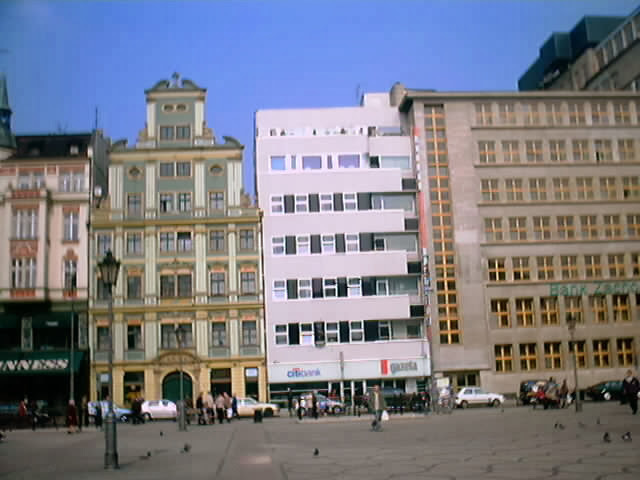
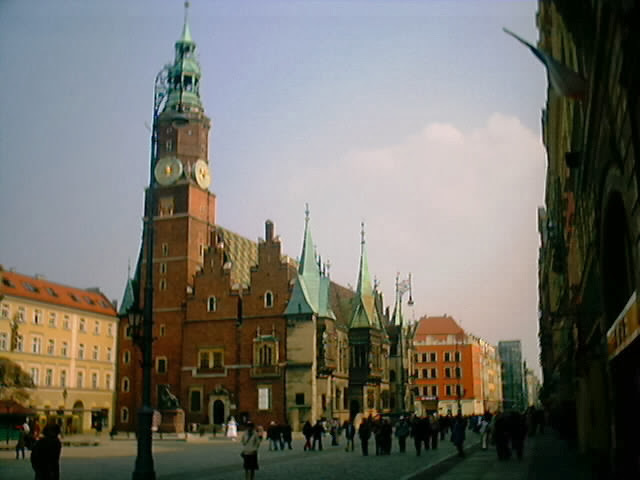
The first clash with reality happened in the market square. I always considered Warsaw’s Old Town to be beautiful. Wroclaw, however, showed me that an old town can look as if history had never left for renovations. I walked around with my head tilted back, trying to find at least one average-looking tenement house. No luck. Everything looked like a postcard, and I began to suspect that the locals polish the facades every single morning.
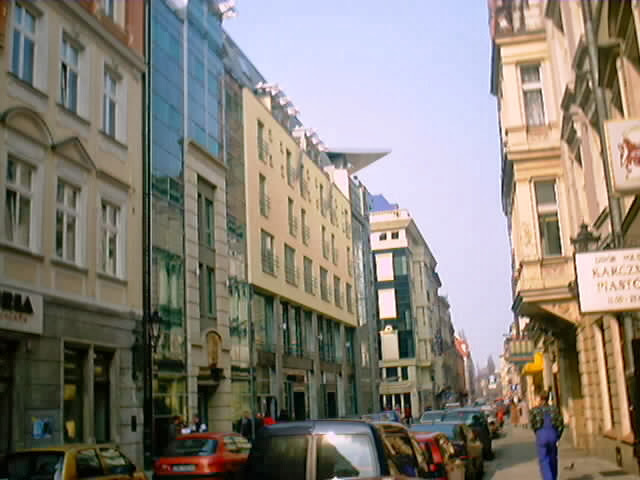
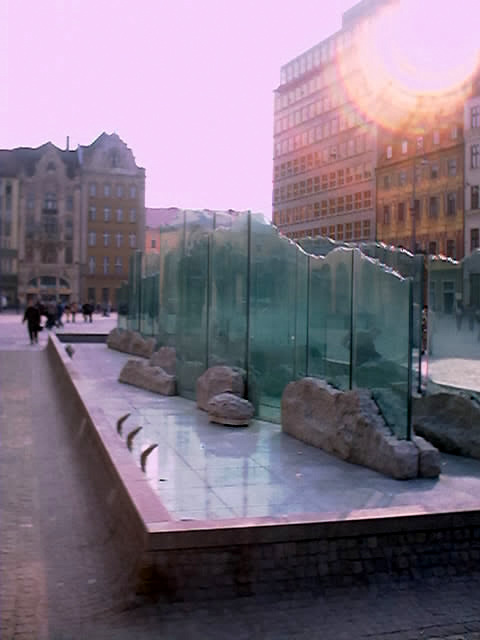
After a dozen or so minutes of sightseeing, I started to understand why tourists take so many photos here. In Wroclaw, even places that look like back alleys look better than many a representative square in other cities. You just walk straight ahead and every now and then you feel like stopping in awe, or checking if you haven’t accidentally wandered onto the set of a costume drama.
Wroclaw and its water attractions: bridges everywhere
The real knockout punch came later, though. The bridges.
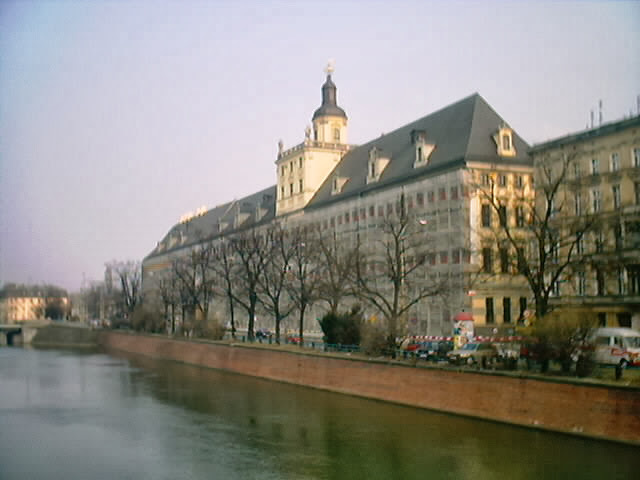
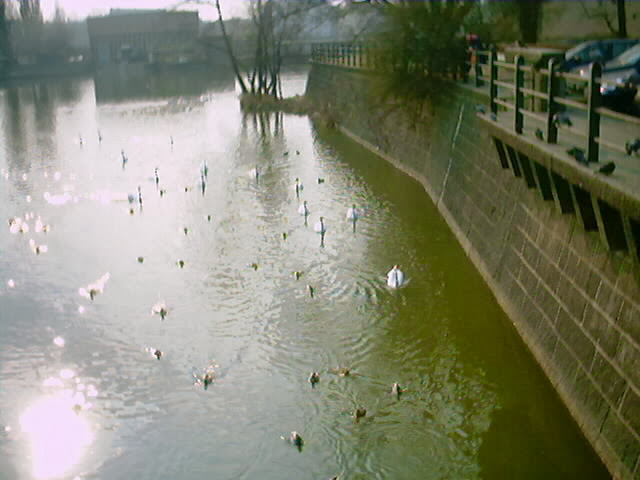
Warsaw has the Vistula river and a few bridges. It’s simple and understandable. Wroclaw apparently decided that you can never have too many bridges. There, a bridge isn’t a solution to a problem. There, a bridge is a lifestyle. I’d cross one bridge and immediately see another. A moment later, another. Then the next one. At some point, I began to suspect that some bridges exist solely so you can walk to other bridges.
I got the feeling that if someone put a two-meter fountain in the middle of the market square, a historic crossing with wrought-iron balustrades would appear over it the very next day. After a few hours, I completely lost my bearings. I didn’t know anymore whether I was on an island, a peninsula, or maybe I was just returning to the exact spot I had left an hour earlier. The only sure thing was that I was crossing some bridge again. If I had been given a map of Wroclaw without streets marked, just the bridges, I probably wouldn’t have even noticed the difference.
The Orient Express in the Wild West
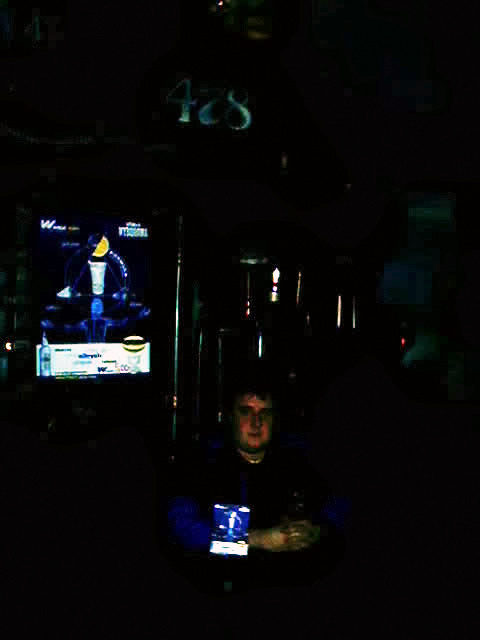
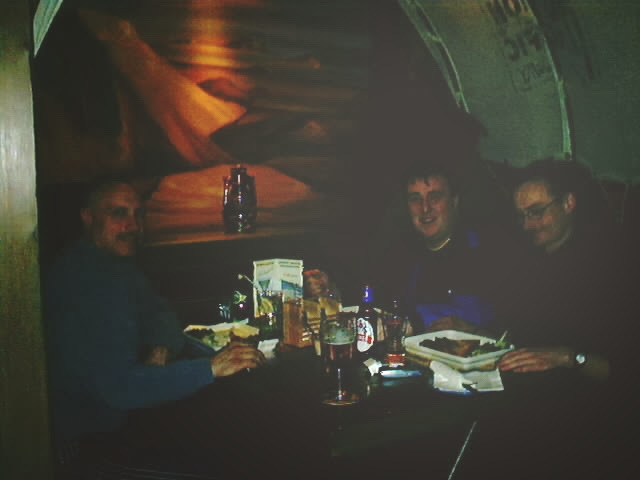
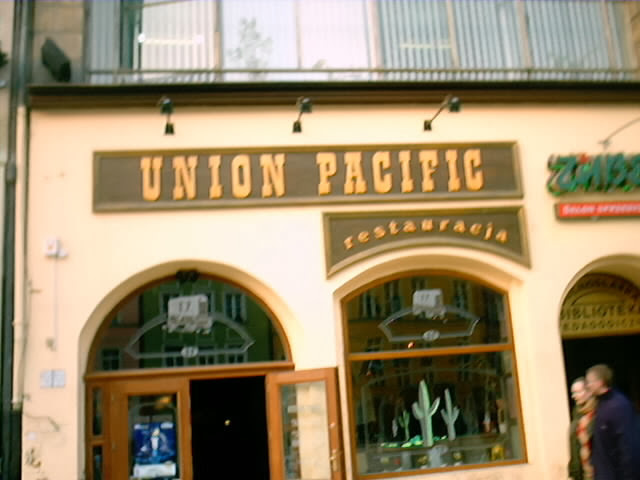
The climax of the day was a visit to the Orient Express restaurant. The name itself sparked the imagination. I was counting on the vibe of a luxury train, elegant interiors, and a touch of the atmosphere of old Europe. Meanwhile, after crossing the threshold, I felt as if I had lost my way and stumbled onto a Western movie set. The interior was dominated by wooden wagons styled as Native American ones. The whole thing looked as if the interior designer had watched a movie about the Wild West one day, a documentary about the famous Orient Express train the next, and on the third day decided to combine both ideas and see if anyone would dare to pull it off.
The biggest impression was made by the waitresses styled as Native American women. Everything was refined to such a degree that for a moment I started wondering if I was going to order dinner or be sent out to hunt bison. Never before or since have I encountered a place that so freely combined Europe, Asia, and North America under one roof.
After leaving the restaurant, Wroclaw didn’t slow down at all. Around the corner waited another bridge, then the next bridge, and behind it, of course, one more. I came to the conclusion that the locals must have an innate sense of direction, because without it, everyday life would feel like participating in a game show called ‘Find Your Own Car.’