An ambitious plan for Paris and its attractions
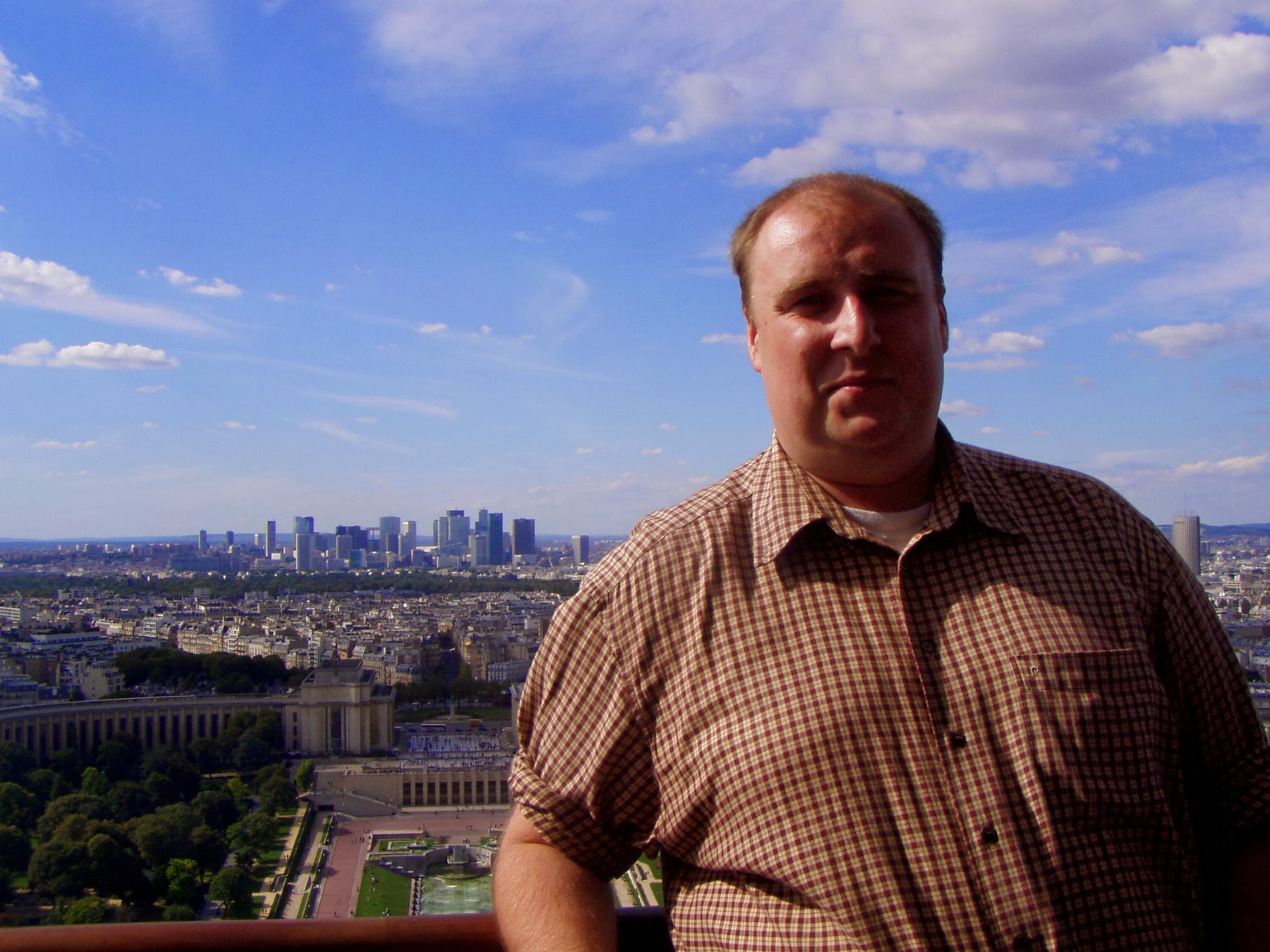
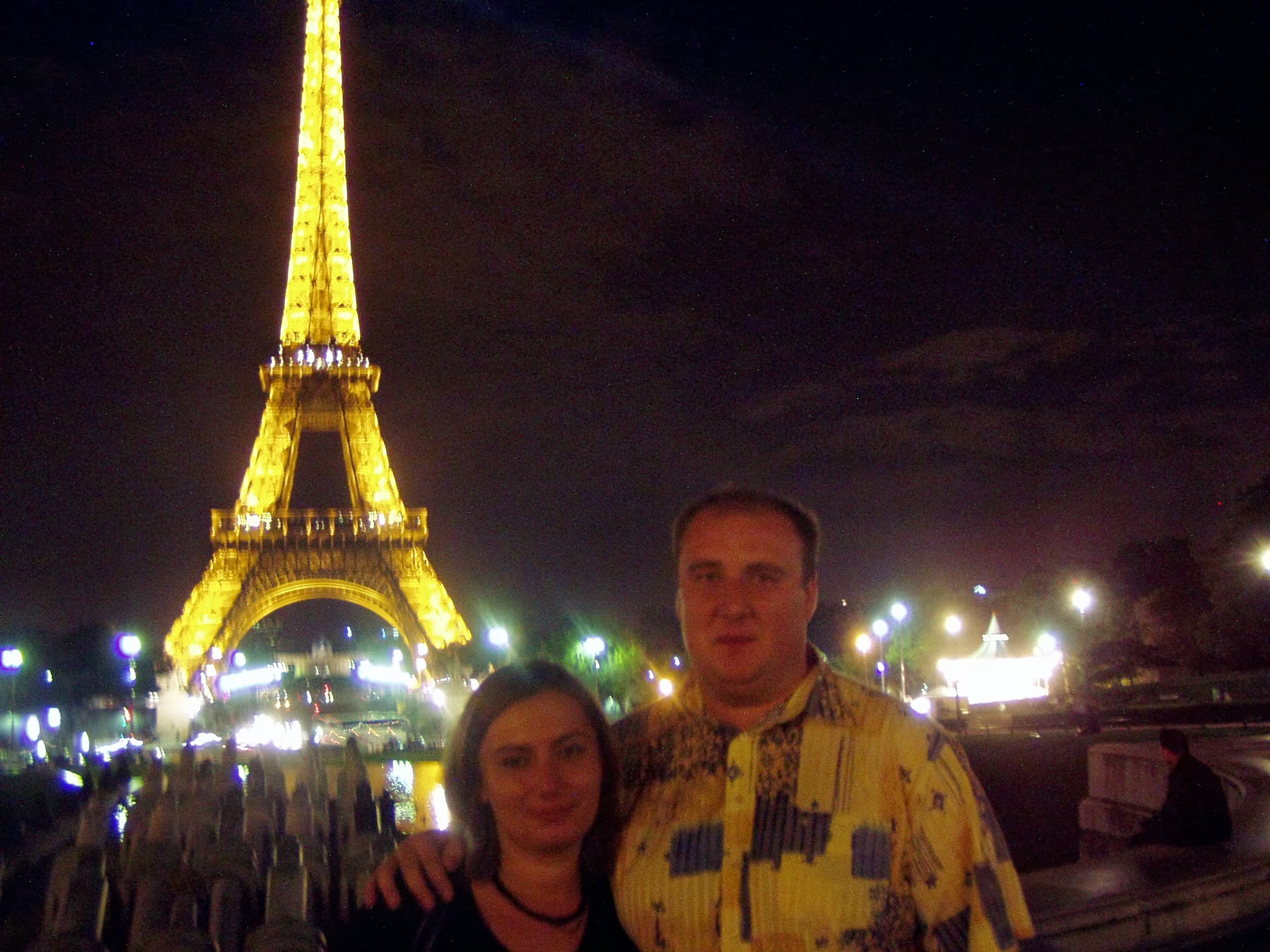
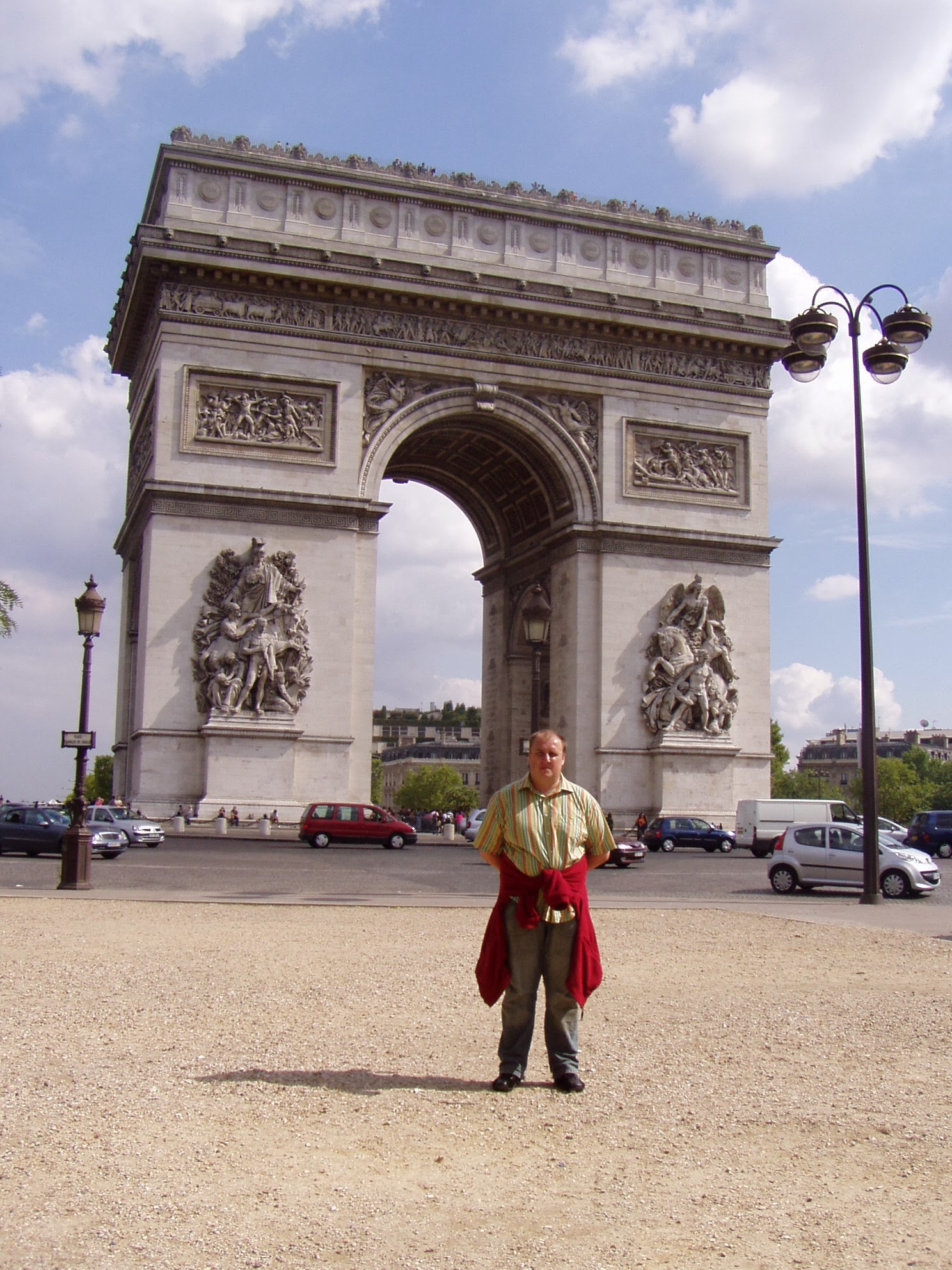
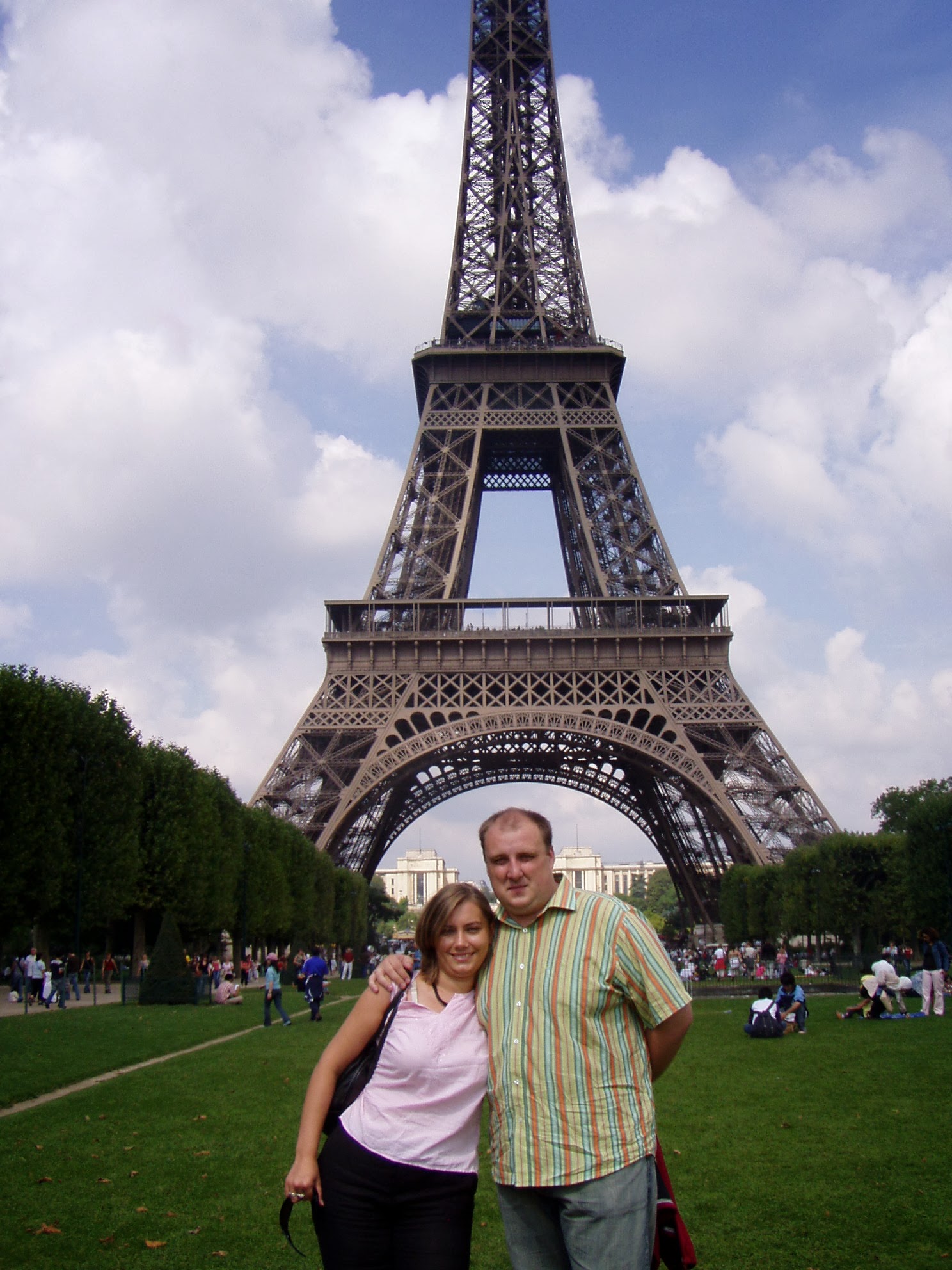
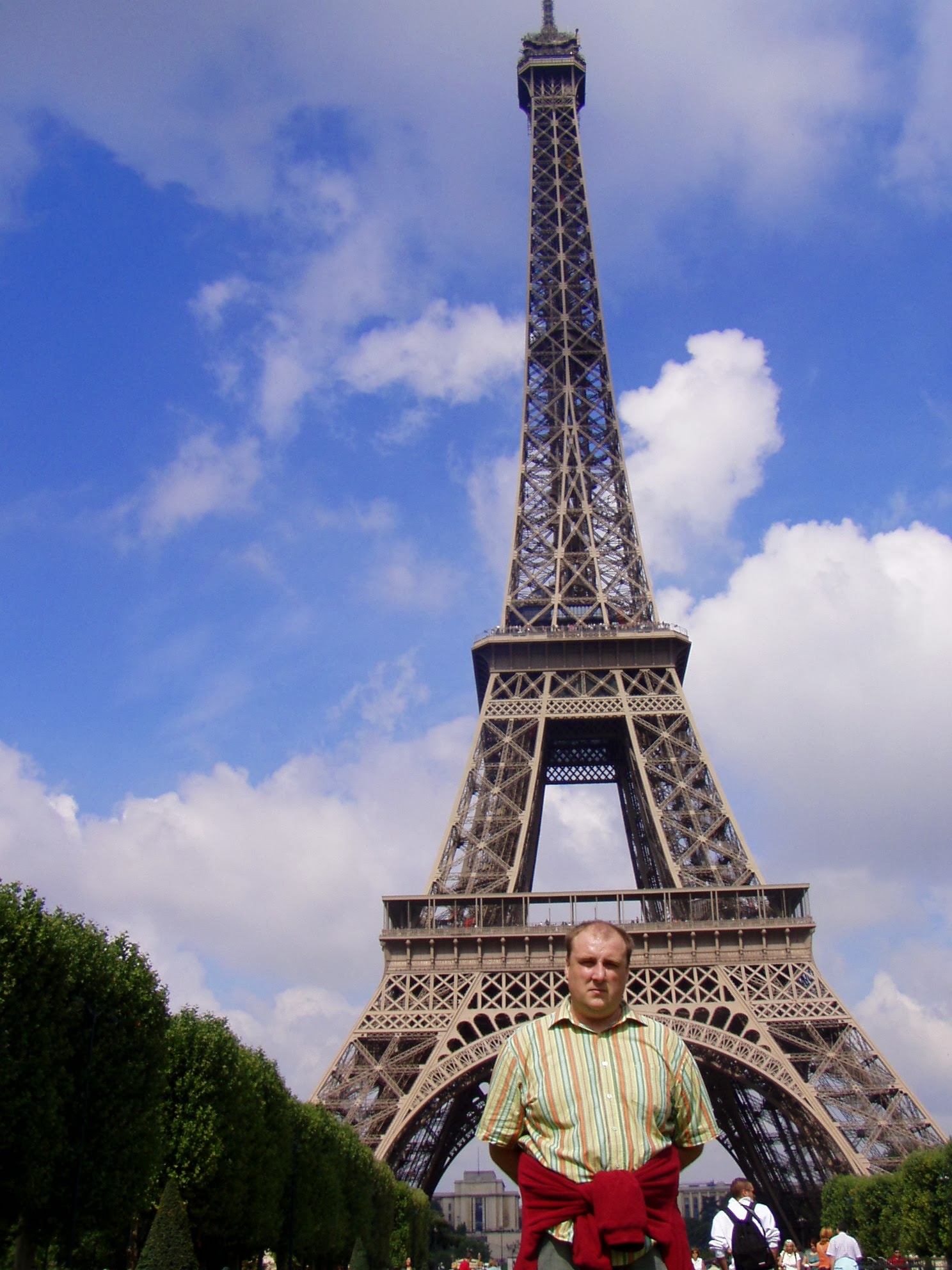
A few days in Paris with an ambitious plan to see absolutely everything possible. The weather was perfect, moods were high, and the camera worked practically without a break. First up, obviously, the Eiffel Tower, which quickly turned out to be the most photographed object of the entire trip. Photos from under the tower, in front of the tower, from afar, up close, and from yet another angle—just in case. Next in line was the Arc de Triomphe, because the conquest of the French capital had to start somewhere.
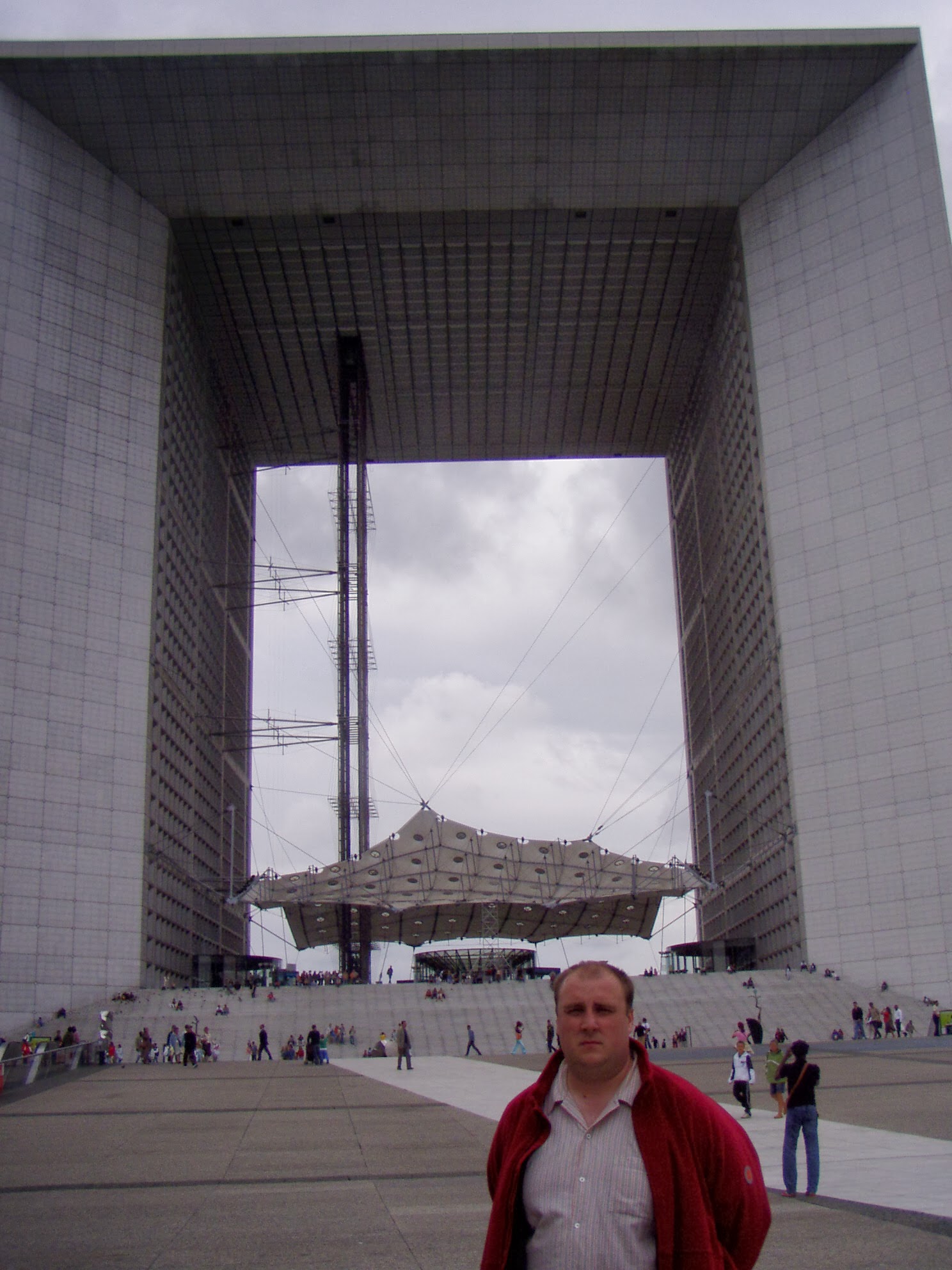
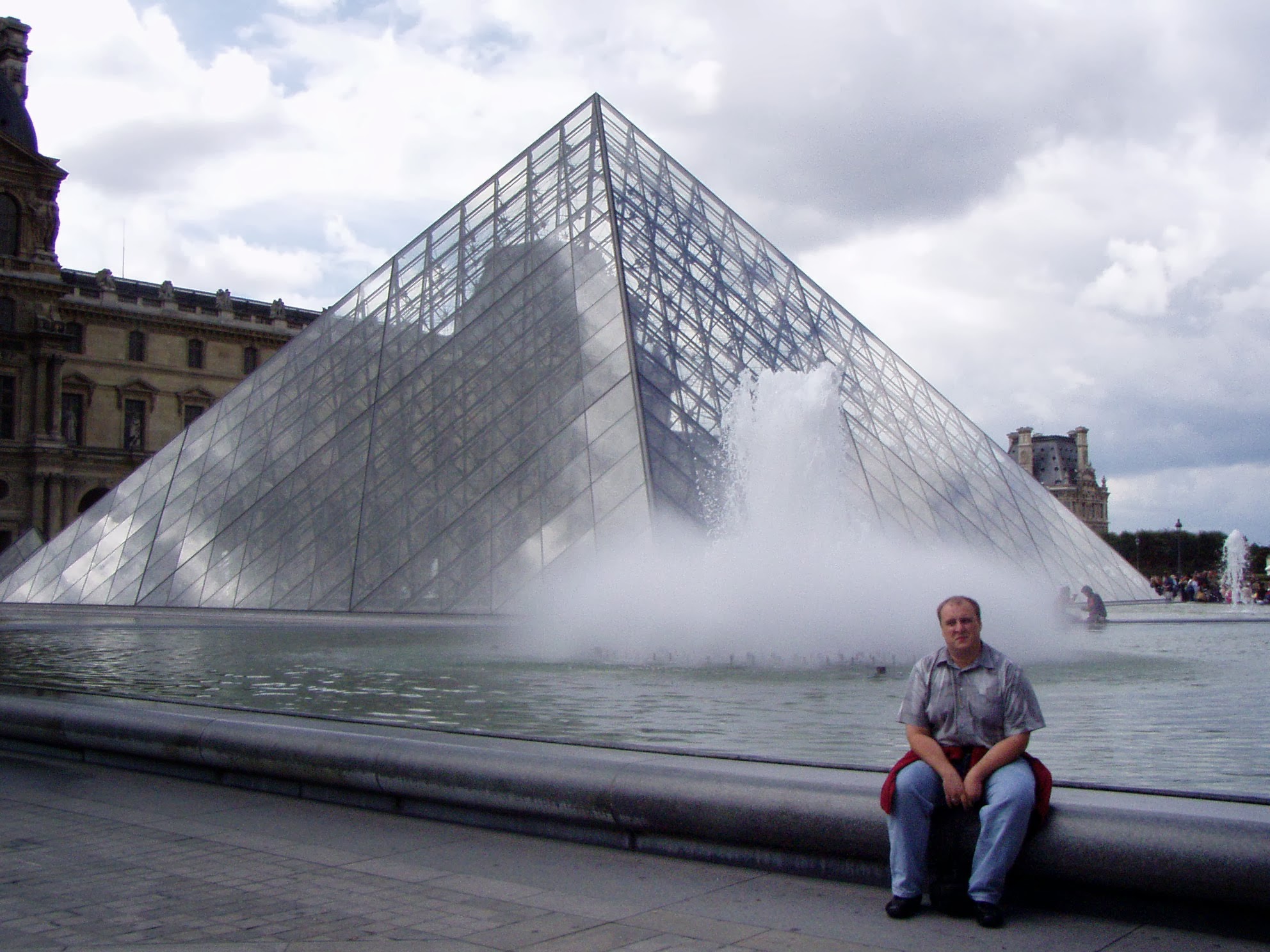
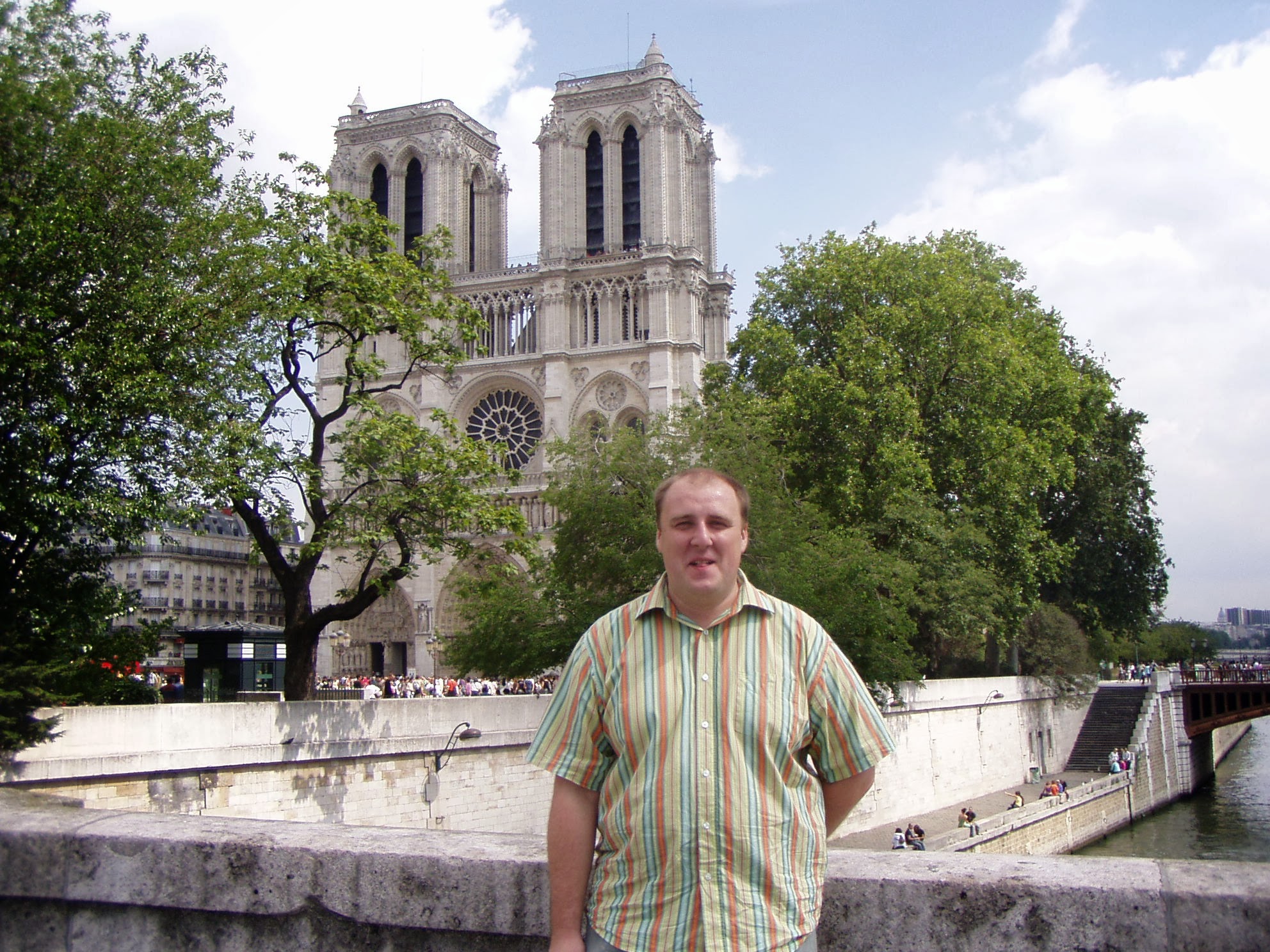
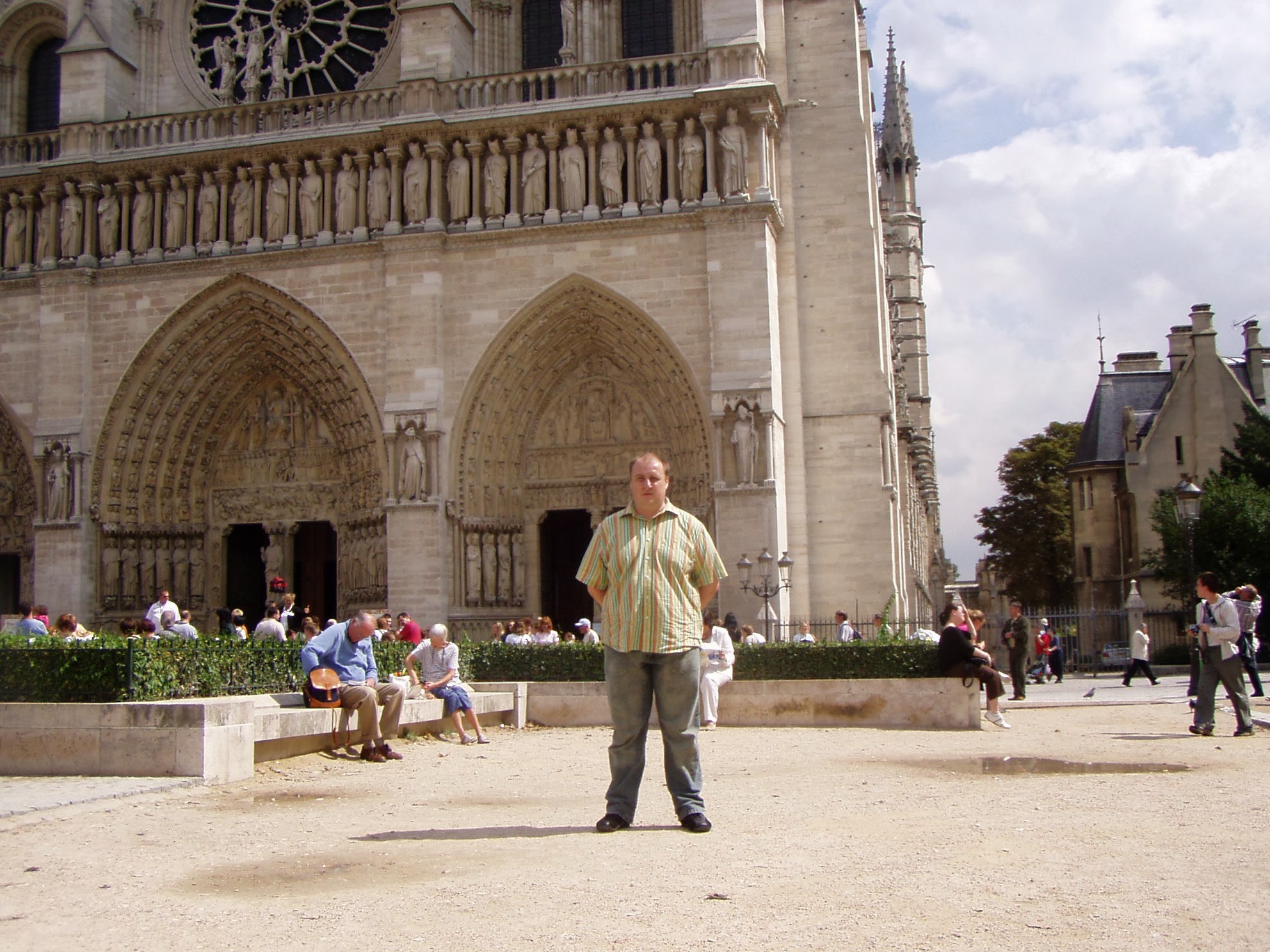
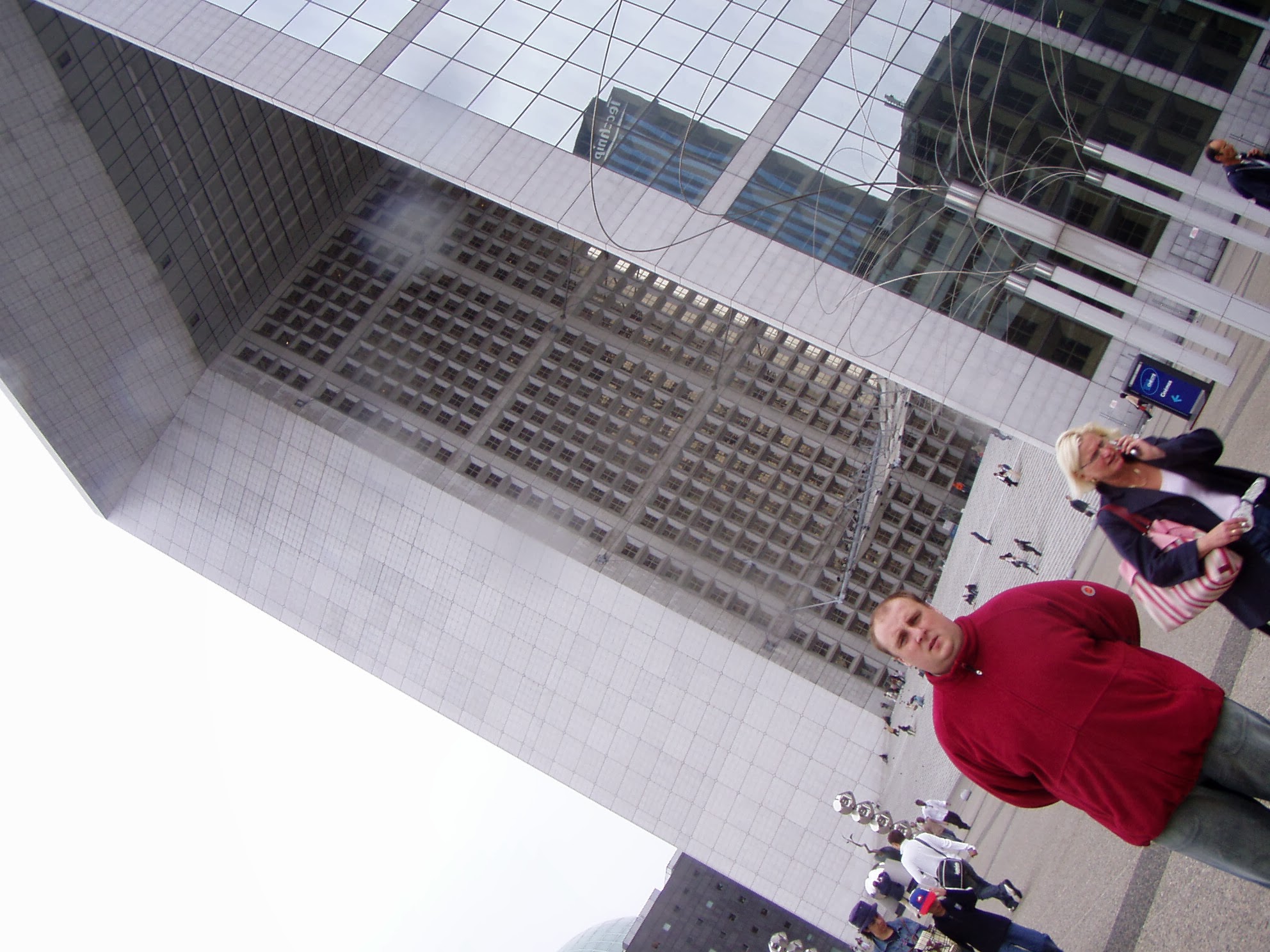
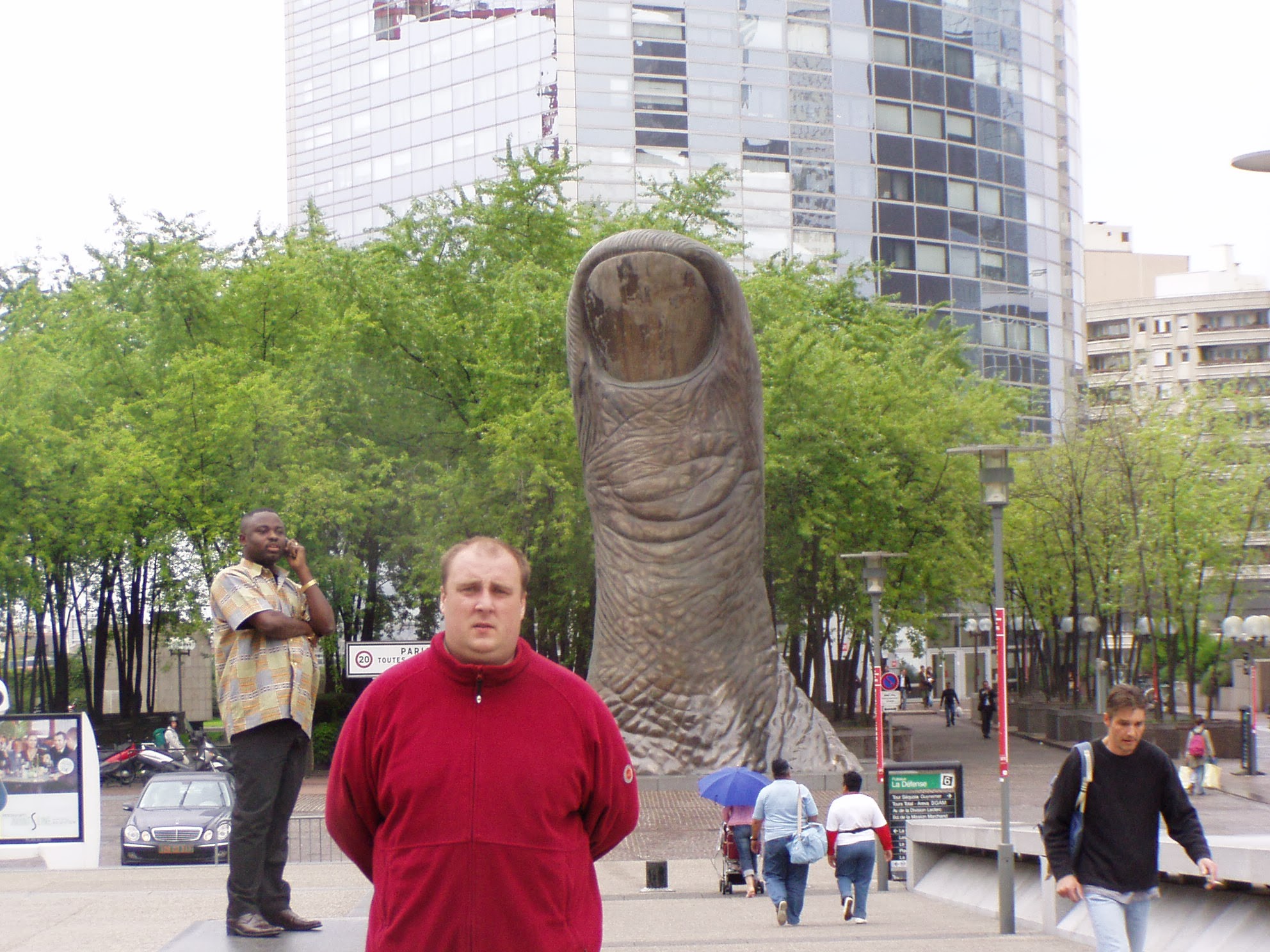
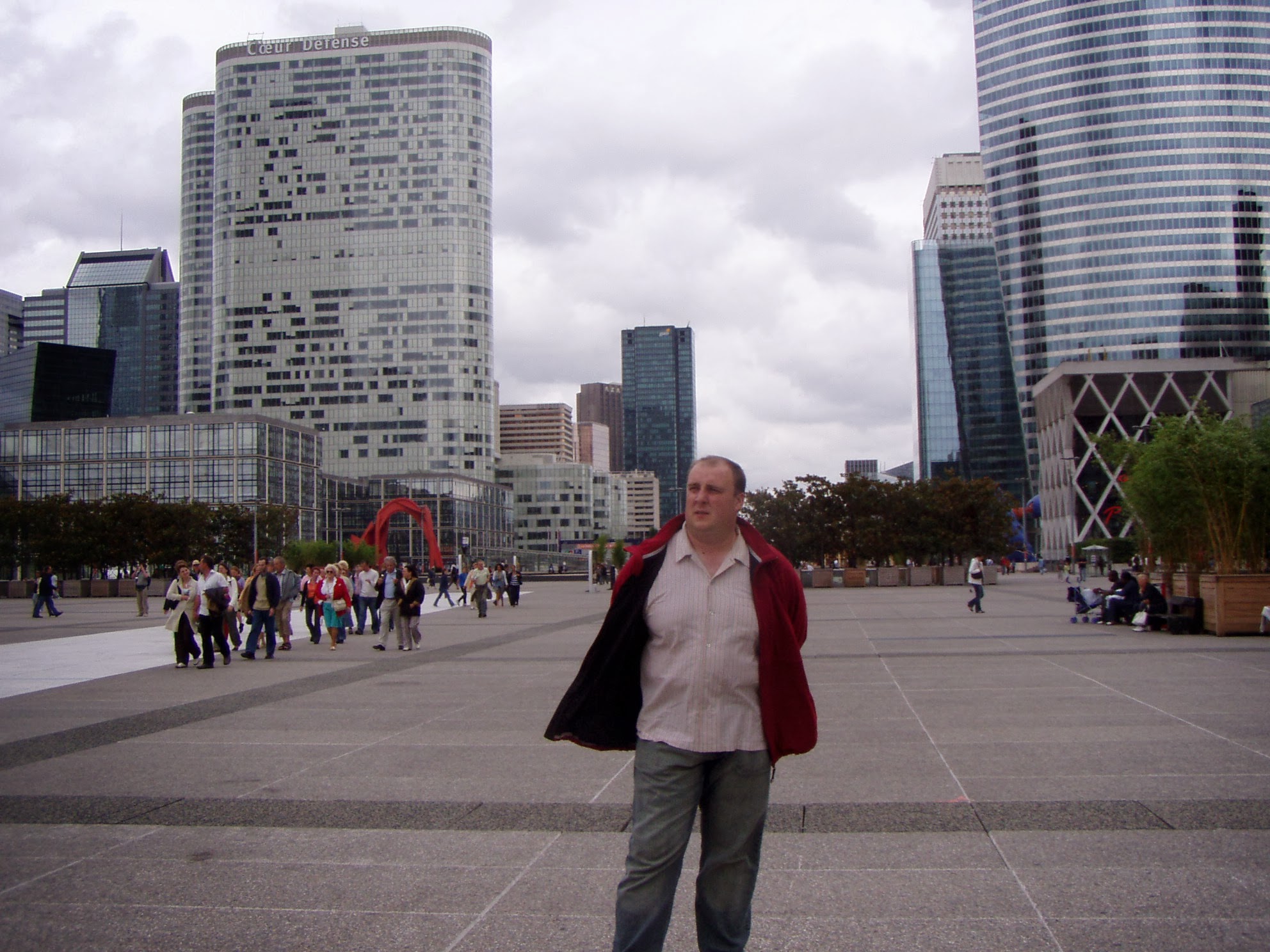
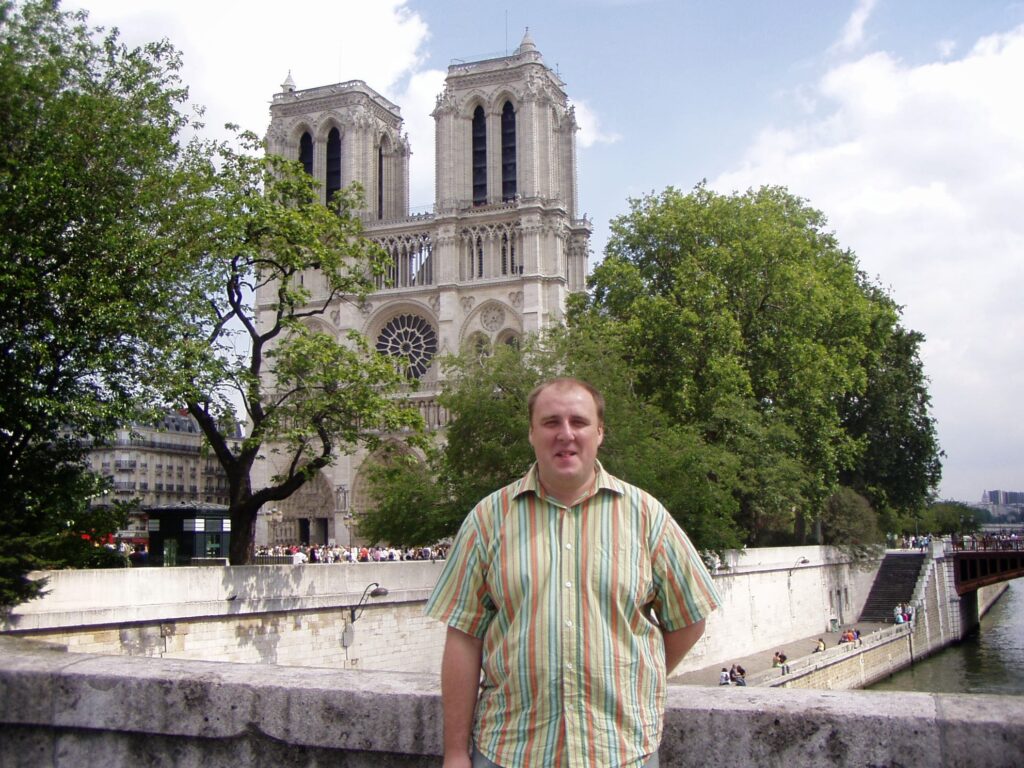
Along the way, there was time for a stroll around Notre-Dame, a visit to the Louvre and its famous pyramid, and discovering the modern La Défense district. Every spot looked like a ready-made postcard, so it was hard to walk past without snapping yet another photo. In the evening, an obligatory return to the Eiffel Tower, which looked even more impressive after dark. The result was that the camera’s memory card filled up faster than our sightseeing itinerary. A few days passed by walking, admiring the architecture, resting in parks, and discovering more corners of the city. Our feet had had enough, but the list of attractions still seemed longer than the time we had left.
After returning home, it turned out that the hardest part of the whole trip wasn’t touring Paris, but picking a dozen or so photos out of hundreds of nearly identical shots. One thing was certain, though—August 2006 left us with plenty of memories. It was also proof that in Paris, even after a few days, you get the feeling you’ve only scratched the surface of this extraordinary city.
The Paris Metro as an attraction in itself
One of the biggest surprises during the stay in Paris turned out to be… the subway. As a resident of Warsaw, used to just one subway line and a handful of stations, I suddenly landed in a place where an entire second world existed underground. At first glance, the map looked like a colorful plate of spaghetti. There were so many lines that finding the right one seemed like a bigger challenge than exploring the city itself. After a few minutes, you came to the conclusion that it was easier to memorize the street map of Paris than the subway diagram.
But the biggest shock was how often the trains ran. One had barely left, and the next one was already emerging from the tunnel. There was no need to nervously check your watch or wonder if you should make a run for it. If a train left right from under your nose, the next one showed up almost instantly. The number of stations was even more impressive. You could get practically anywhere by subway, and then just walk a few minutes. Over time, you started getting the impression that no matter where you stood, there was a metro line running right under your feet.
At first, transfers felt like an expedition through a subterranean maze. Stairs, corridors, more stairs, the next platform, and only after a while did the right line appear. The first few transfers successfully doubled as a morning workout. After two days, it all started to seem surprisingly simple. The line colors stopped blurring together, the directions made sense, and the metro became the fastest way to hop between attractions.
After coming back to Warsaw, for a moment you could feel like something was missing. You went down to the metro and almost instinctively looked around for a dozen other lines, hundreds of stations, and an endless network of tunnels. Paris showed that public transit can be a tourist attraction in its own right, and the subway can make just as big an impression as the Eiffel Tower.