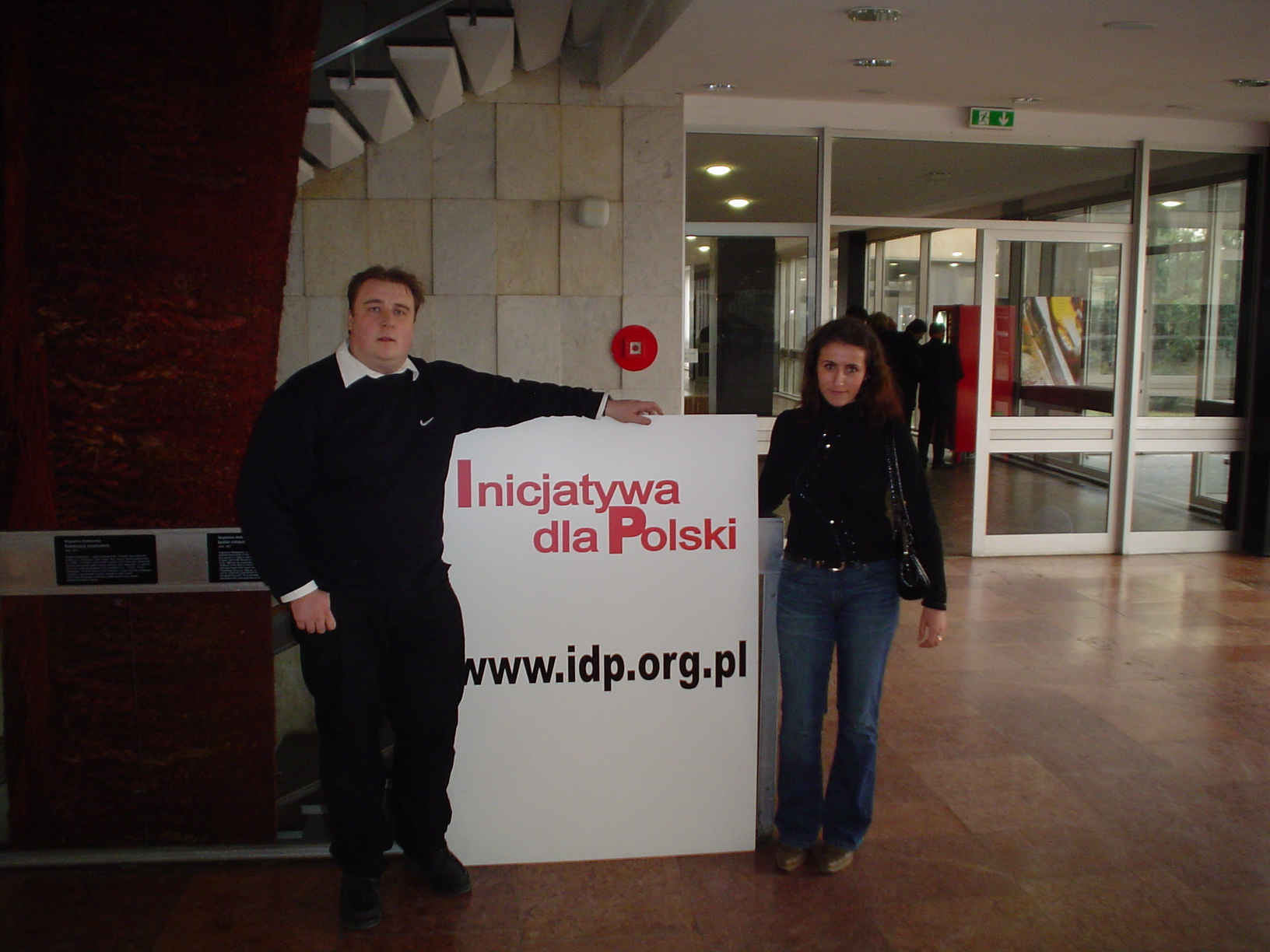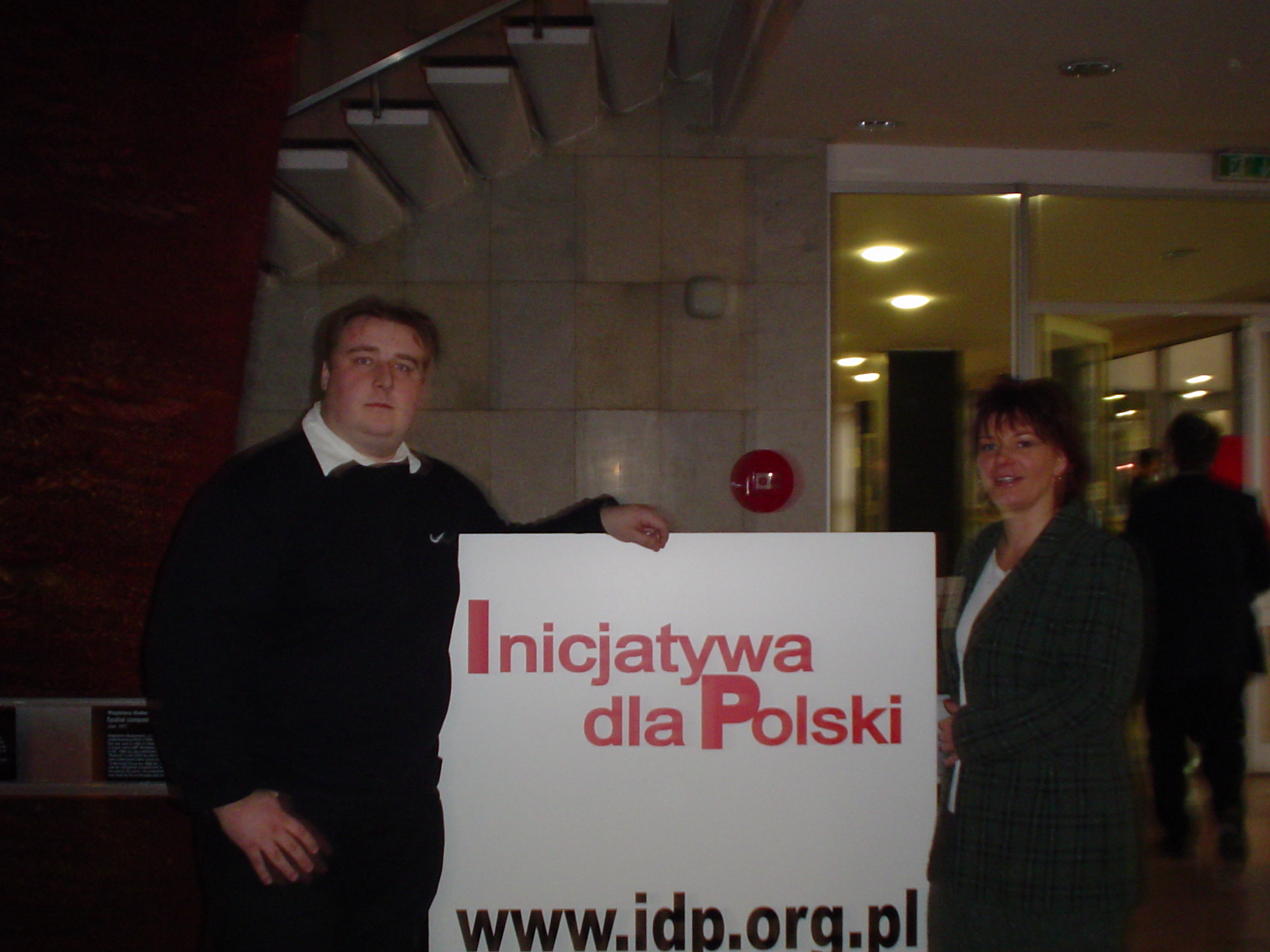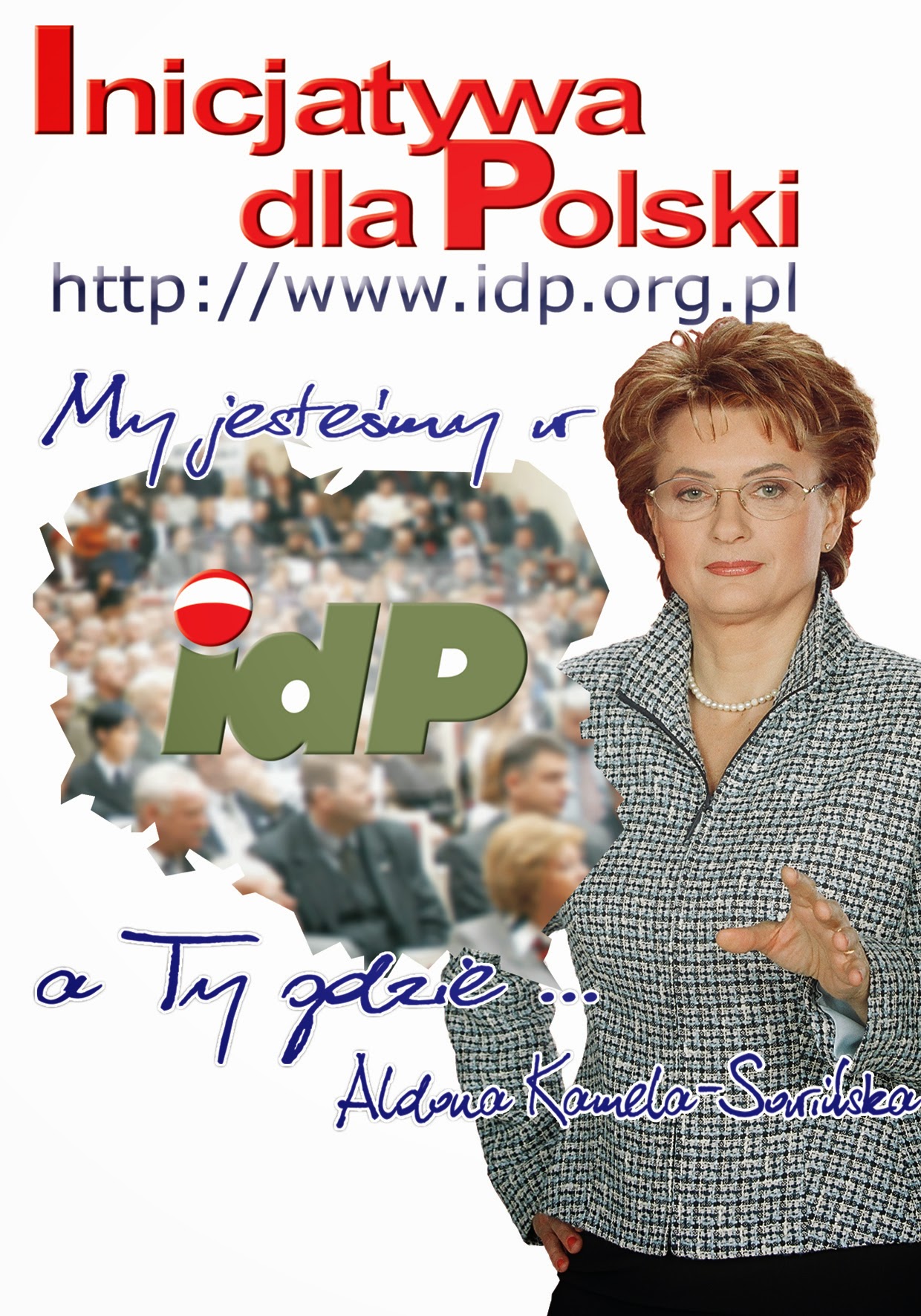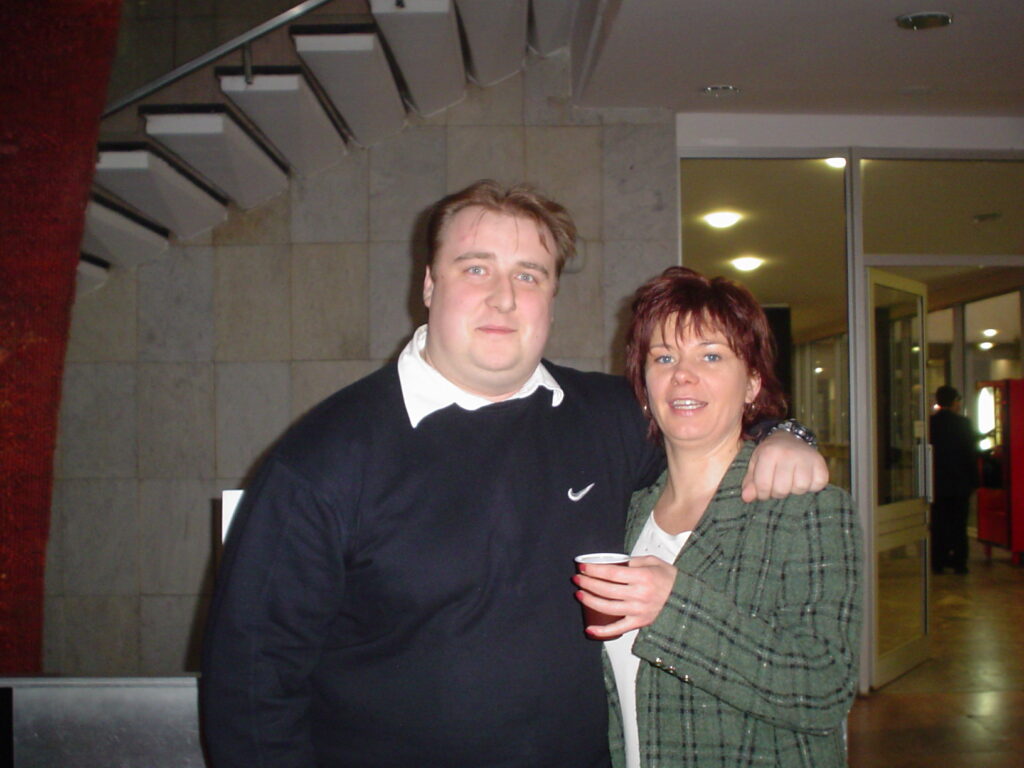
In a hall full of chairs arranged with military precision, the Election Committee of the Initiative for Poland gathered. They met to officially kick off the campaign for the first Polish elections to the European Parliament. The atmosphere felt like a cross between an academic symposium, a business fair, and a family reunion. They believed politics could still be done without throwing chairs. Greater Poland was something of a family living room for the party. So the hosts moved around the stage looking like homeowners inviting guests into a freshly vacuumed room. Hovering over it all was the spirit of Prof. Aldona Kamela-Sowińska, the founder of the group. The party itself was younger than most of the cars parked outside the hall.
An economic and medical conference
The biggest attraction turned out to be the presentation of the candidates. Instead of career politicians, they brought entrepreneurs, doctors, lawyers, and scientists out into the daylight. It looked as if someone had confused the electoral list with the program for an economic and medical conference. The audience might have gotten the impression that a very versatile delegation was heading to Brussels. One capable of simultaneously fixing the budget, curing the waitlist for a specialist, and reviewing a PhD thesis.
My brochures and the three pillars of the program
The party’s platform was built on three pillars (and I designed two of them in the form of brochures/booklets). The first dealt with European integration and the economy. On the one hand, there was enthusiasm for the European Union; on the other, a concern that the Polish entrepreneur shouldn’t get lost in the common market like a tourist at the Brussels airport. The second pillar was dedicated to healthcare reform. Since the plan was created with the help of healthcare system experts, it was presented with a seriousness that could put even medical equipment manufacturers to shame. The third pillar—honesty in politics—sounded like an ambitious New Year’s resolution for the entire political class.
Initiative for Poland Gniezno reaches for Europe
The whole event had the charm of a novice party. People believed you could enter big politics through the front door, rather than through the window. The Gniezno convention resembled an ambitious project by social activists and experts rather than a typical political spectacle. In times when most groups bet on recognizable faces, the Initiative for Poland bet on completely new people. These were experts who knew how to run a company, treat patients, or write scientific papers. And while it’s hard to say if Brussels was ready for such a mix of competencies, one thing is certain. In March 2004, Gniezno looked for a moment like the capital of the Greater Poland offensive on Europe.